
 By
By 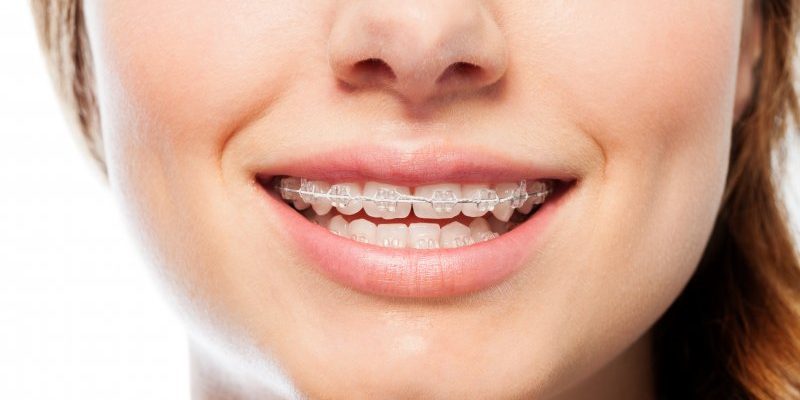
For generations, orthodontic treatment was widely considered a childhood rite of passage. The image of a teenager wearing a mouth full of metal brackets and colorful rubber bands became deeply ingrained in the public consciousness. Because of this cultural association, many adults who missed out on orthodontic care during their youth, or whose teeth have shifted over time, assume that the window of opportunity has permanently closed. They often ask themselves if it is simply too late to achieve a straight, healthy smile.
The short answer is an emphatic no. The biological mechanisms responsible for moving teeth are exactly the same in a fifty-year-old as they are in a fifteen-year-old. While adult orthodontics presents a unique set of clinical considerations, the modern dental landscape has evolved dramatically. Today, adults represent one of the fastest-growing demographics in orthodontic practices worldwide, driven by advanced technologies, discreet treatment options, and a clearer understanding of the profound relationship between oral alignment and systemic health.
The Biological Reality of Adult Tooth Movement
To understand why orthodontics works at any age, it helps to understand how teeth actually move within the mouth. Teeth are not permanently anchored directly into solid jawbone. Instead, they are suspended inside the bone by a dynamic network of living tissue called the periodontal ligament.
When an orthodontic appliance applies continuous, gentle pressure to a tooth, it initiates a cellular process known as bone remodeling:
-
Osteoclasts (Resorption): On the side of the tooth where pressure is being applied, specialized cells break down old bone tissue to clear a path for the moving root.
-
Osteoblasts (Deposition): On the opposite side, where tension is created, different cells build new bone tissue to fill in the space left behind, anchoring the tooth securely in its new position.
Because this cellular responsiveness remains active throughout your entire life, your teeth can be safely guided into alignment whether you are twenty-five, forty-five, or seventy-five. As long as your teeth, gums, and supporting bone structures are healthy, your age is largely irrelevant to the mechanical success of the treatment.
Why Adults Are Choosing Orthodontics Later in Life
The surge in adult patients seeking orthodontic care is not merely driven by a desire for a Hollywood smile. While cosmetic enhancement is a significant factor, the motivations for adult treatment are often deeply rooted in long-term health, physical comfort, and functional restoration.
Reversing the Natural Shifting of Age
Teeth naturally tend to drift forward as we grow older, a phenomenon known as mesial drift. Even adults who had perfectly straight teeth in their youth or underwent orthodontic treatment as teenagers may notice their lower front teeth becoming increasingly crowded, overlapped, or rotated over time. Orthodontics allows adults to intervene and reset their alignment before these issues escalate.
Alleviating Chronic Physical Discomfort
Misaligned teeth frequently result in a dysfunctional bite, meaning the upper and lower teeth do not fit together correctly. This misalignment forces the jaw muscles to overcompensate during chewing or speaking, leading to chronic tension, severe headaches, neck pain, and symptoms of Temporomandibular Joint Disorder. Correcting the bite redistributes these mechanical forces evenly, providing long-term relief from muscular strain.
Prevention of Premature Tooth Wear
When a bite is uneven, certain teeth bear an excessive amount of friction and pressure during daily use. Over time, this localized stress causes abnormal enamel wear, chipping, fractures, and flattened chewing surfaces. By aligning the dental arches, an orthodontist ensures that chewing forces are distributed safely across the entire mouth, preserving natural tooth structure for the future.
Adult vs. Adolescent Orthodontics: Key Clinical Differences
While the biological principles of tooth movement remain constant across all age groups, treating an adult patient requires a distinct clinical approach compared to treating a growing teenager.
+-------------------------------------------------------------------+
|               ORTHODONTIC COMPARISON: ADULTS VS. TEENS            |
+-----------------------------------+-------------------------------+
| ADOLESCENT ORTHODONTICS           | ADULT ORTHODONTICS            |
+-----------------------------------+-------------------------------+
| Jawbones are actively growing     | Jawbones are completely dense |
| Flexible bone facilitates movement| Rigid bone moves more slowly  |
| Periodontal disease is very rare  | Higher risk of bone/gum issues|
| High presence of healthy pulp     | Existing dental work is common|
+-----------------------------------+-------------------------------+
The Absence of Jaw Growth
The primary difference lies in the maturity of the skeletal system. In teenagers, the jawbones are still actively growing and developing. Orthodontists can easily utilize this growth spurt to alter jaw relationships, widen narrow palates, or correct severe overbites and underbites using orthopedic appliances.
In adults, however, skeletal growth is completely finished. The jawbones are dense and rigid. Because the bone structure cannot be easily reshaped through pressure alone, severe skeletal discrepancies in adults may require a combination of orthodontics and corrective jaw surgery, or a customized approach focused on camouflage alignment.
Periodontal and Dental History
Adults are far more likely to have a history of dental issues, such as gum recession, past bone loss from periodontal disease, missing teeth, root canals, or existing restorations like crowns, bridges, and dental implants.
Before any orthodontic movement can begin, an adult’s periodontal health must be meticulously evaluated and stabilized. Moving a tooth through bone that is actively inflamed by gum disease can accelerate bone loss and ultimately lead to tooth loss. Therefore, adult orthodontics often requires a collaborative, multidisciplinary approach involving general dentists and periodontists.
Modern Discreet Treatment Options for Professionals
One of the biggest hurdles keeping adults away from orthodontic offices used to be the visible aesthetics of traditional braces. Fortunately, modern technology has introduced highly discreet alternatives that integrate seamlessly into a professional and social adult lifestyle.
Clear Aligner Therapy
Clear aligners have revolutionized adult orthodontics. These custom-made, removable polyurethane trays sit flush over the teeth, making them virtually invisible during normal conversation. Because they are removable, adults face no dietary restrictions and can brush and floss their teeth normally, making oral hygiene simple throughout the treatment process.
Ceramic and Sapphire Braces
For complex structural changes that require the precise control of traditional brackets, ceramic braces offer an excellent aesthetic middle ground. Crafted from translucent or tooth-colored materials, these brackets blend directly into the natural shade of the tooth enamel, minimizing the visual impact of the appliance.
Lingual Braces
Lingual braces offer absolute discretion by placing the metal brackets and archwires on the back surfaces of the teeth, completely hidden from view. While they require an initial adjustment period for speech and tongue comfort, they provide the comprehensive moving power of traditional braces without anyone knowing they are there.
The Long-Term Return on Investment
Investing in adult orthodontics is ultimately an investment in your overall quality of life. Beyond the undeniable boost in self-confidence that comes with a straight smile, alignment significantly simplifies daily oral hygiene. Straight teeth are far easier to brush and floss effectively, drastically reducing the accumulation of plaque and tartar in hard-to-reach crevices. This directly lowers your long-term risk of developing cavities, gum disease, and systemic inflammation. By addressing alignment issues today, you protect your natural teeth and avoid costly restorative dental work down the road.
Frequently Asked Questions
Can I get braces or aligners if I have dental crowns, bridges, or fillings?
Yes. Teeth with fillings or dental crowns can easily be moved with orthodontics. Special adhesive conditioners are used to attach brackets securely to porcelain or composite surfaces. However, dental implants cannot be moved because they are fused directly to the jawbone without a periodontal ligament. If you have implants or fixed bridges, your orthodontist will design a customized treatment plan that uses those stable structures as permanent anchors while safely moving the surrounding natural teeth.
Does adult orthodontic treatment take longer than it does for teenagers?
On average, adult treatment may take slightly longer than adolescent treatment due to the density of mature jawbone and the lack of active skeletal growth. While a teenager might complete treatment in eighteen months, an adult presenting with similar alignment issues might require twenty-two to twenty-four months. However, excellent patient compliance, particularly with clear aligners, can optimize this timeline significantly.
Are there specific medical conditions that would disqualify an adult from orthodontics?
Age itself is never a disqualifying factor, but certain systemic health conditions can affect treatment. Severe, uncontrolled osteoporosis, advanced and untreated periodontal disease, or blood disorders that impair bone healing can complicate tooth movement. Additionally, taking certain medications, such as chronic intravenous bisphosphonates for bone density, can interfere with the bone remodeling process. A thorough medical history review is conducted before any treatment begins.
Will getting orthodontic treatment as an adult affect my speech?
Any new appliance in the mouth requires a brief adjustment period. Clear aligners and traditional braces on the front of the teeth may cause a very slight, temporary lisp that typically resolves within a few days as the tongue adapts. Lingual braces, which sit on the inside of the teeth near the tongue, generally require a slightly longer adjustment period for clear speech, usually lasting one to two weeks.
Why do my teeth seem more loose during orthodontic treatment, and is it permanent?
It is completely normal for teeth to feel slightly loose or mobile during orthodontic treatment. This temporary mobility is a direct result of the biological bone remodeling process, as the bone tissue around the root purposefully softens to allow the tooth to move. Once the teeth reach their final positions and the pressure is removed, the surrounding bone will completely calcify and solidify, locking the teeth securely into place.
Will I have to wear a retainer forever after my adult orthodontic treatment is complete?
Yes. Retainer wear is a lifelong commitment for any orthodontic patient, regardless of the age at which they receive treatment. The human body is dynamic, and teeth will naturally attempt to drift back toward their original positions over time due to natural aging forces. To maintain your results, you will typically wear a removable retainer full-time for a brief initial period, followed by a lifetime of wearing it during sleep, or you can opt for a permanent bonded retainer wire.














Comments